
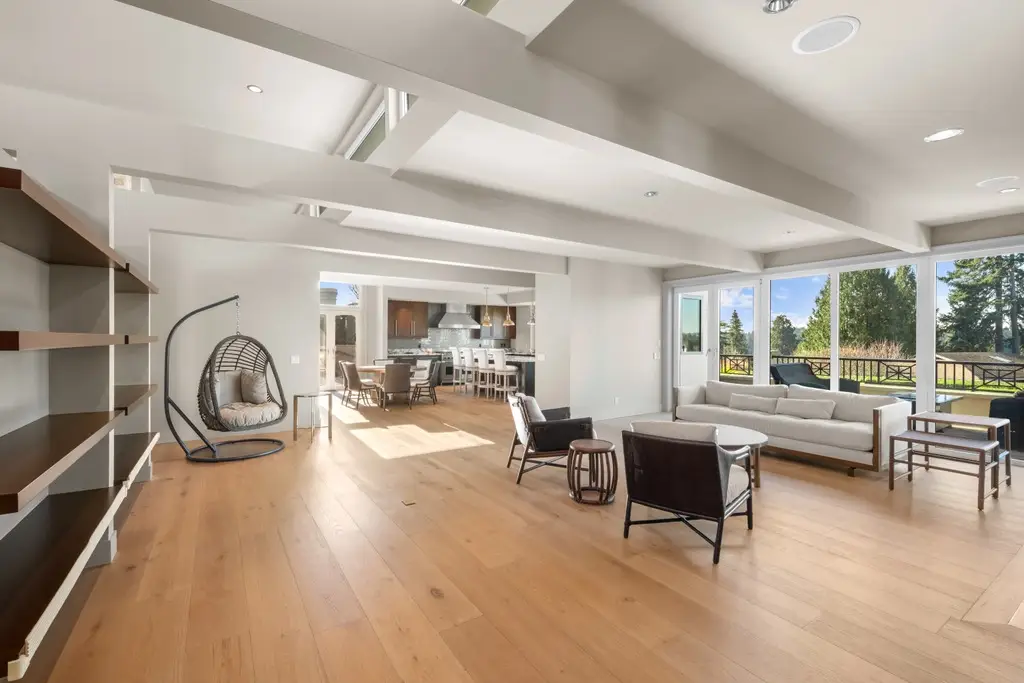
Dark vs Light Living Room Paint: What Changes Across Different Room Layouts
Dark vs light living room paint is not simply a choice between making a bold statement and keeping the room neutral. The same shade can produce a very different result in a small enclosed room, a long narrow space, or an open living area connected to the kitchen.
Natural light, wall proportions, furniture, trim, doors, and the location of a fireplace all affect how the final color reads. In Seattle homes, the amount and direction of daylight can change how paint colors appear throughout the day.
Before selecting from the most popular colors, homeowners should look at how their living room is actually arranged. Brotherton Painting helps Seattle customers connect color choices with the room, its surfaces, and the intended result.
What Changes When Living Room Paint Is Dark or Light?
Light paint usually keeps the boundaries of a living room easier to read. White, pale greige, and soft gray can bring more reflected light into the space and provide a flexible background for furniture and decor. These colors can be especially useful when the room has limited windows or several large pieces of furniture.
Dark paint changes the emphasis. Charcoal, deep gray, and earthy green can add depth, drama, and a more defined atmosphere. A darker shade may also draw attention to light trim, cabinetry, doors, artwork, or a fireplace.
Neither option is automatically the perfect choice. The better color is the one that supports the layout and the way the room is used.
Living room condition | Light paint can help | Dark paint can help |
Limited natural light | Keep the room brighter and reduce heavy contrast | Create a cozy, deliberate atmosphere |
Open-plan layout | Connect several areas with one visual background | Define the living area within a larger space |
Long or narrow room | Keep wall boundaries visually quiet | Emphasize or visually shorten a selected wall |
High ceiling | Maintain an open, continuous appearance | Bring more attention to the room’s height and architecture |
Fireplace or feature wall | Let the feature stand out naturally | Turn the feature wall into a stronger focal point |
Large amount of furniture | Provide a calmer background | Create contrast with lighter furniture and decor |
The table is a starting point rather than a fixed rule. Color should be tested in the actual living room before the painting project begins.
How Seattle Light Changes Dark and Light Paint
A living room color should be evaluated under the light that actually enters the home. A sample viewed in a store, online gallery, or another house does not show how it will behave in a Seattle or Western Washington home. Even neutral colors may not stay visually consistent as daylight conditions change.
Natural light changes according to window placement, time of day, nearby buildings, trees, and the room’s orientation. Artificial lighting adds another variable. A gray shade that appears balanced during the day may feel cooler at night, while an earthy green or greige may bring more warmth and connection to nature.
Homeowners should test each color on more than one wall and review it at different times. Place samples near the trim, flooring, furniture, and fireplace instead of looking at them against an empty white background.
This practical evaluation is central to choosing interior paint colors for real rooms. A shade never appears alone. Everything around it changes the result.
Sherwin-Williams Most Popular Colors: Start With the Room, Not the Trend
Sherwin-Williams offers a broad range of whites, grays, greiges, greens, and deeper shades. These popular paint colors can provide a useful starting point, but an established color collection should not replace testing in the home.
White remains one of the most popular colors because it can complement many furniture and decor styles. Gray is valued for its calm, sophisticated character, while earthy greens and sage bring warmth and a softer, nature-inspired element into a living room. Deep charcoal and near-black paint can add a modern, dramatic finish. Alabaster contrasts beautifully with soft wall colors. Sherwin-Williams describes Alabaster SW 7008 as a soft, warm, and balanced white.
Popular colors are useful for narrowing the range. They are not proof that a specific shade will meet the needs of the room. The final selection should be evaluated against the lighting, fixed surfaces, and furnishings in the actual space before preparation and application begin.
Furniture, Trim, Doors, and Paint Finish Matter
Wall color is only one part of the living room palette. Furniture can cover a large portion of the painted walls, while trim and doors create outlines that either soften or strengthen the contrast.
Light walls with white trim can create a quiet transition. Dark walls with light trim bring more visual definition. Painting the trim closer to the wall color can reduce that contrast and let furniture or artwork become the main feature.
In addition to color, sheen affects the final result. More shine can reflect additional light, but it may also make dents, patches, and uneven drywall easier to see. Quality paints offer better coverage and durability for interior projects. Quality paint protects walls from moisture and dirt. Quality paints offer better coverage and durability for interior projects. Quality paint protects walls from moisture and dirt.
Homeowners can review choosing the right paint sheen for a living room before finalizing the project. The paint brand, color, and finish should all be appropriate for the room type.
How Interior Painters Prepare for a Color Change
Before applying the selected shade, our dedicated team evaluates the condition of the walls and identifies preparation requirements that may affect the finish. Depending on the surface, the work may involve cleaning, sanding, drywall repair, priming, and protecting the surrounding floors and furniture to help ensure a consistent result.
A substantial change from dark paint to a light color may affect the preparation, primer, coverage, number of coats, budget, and schedule. These details should be established before work begins so that the expected finish and project scope are clear.
Reviewing portfolios helps assess a contractor’s experience with similar projects. Hiring interior painters in Seattle requires verification of licensing and insurance. Specific design goals require a painter with good color and finishing skills.
Brotherton Painting provides professional interior painting services in Seattle that include surface preparation, drywall repair, furniture and floor protection, paint application, and a final inspection. Clear communication about the selected color, finish, preparation requirements, and expected result helps keep the project aligned with the agreed plan.
When you are ready to update your living room, contact our team by phone or email to discuss the room, your budget, and any questions about color or preparation. The final inspection also provides an opportunity to review the completed surfaces before confirming satisfaction with the work.
Choose the Color That Supports the Layout
The best living room color is not always the lightest, darkest, newest, or most popular option. It is the shade that works with the room’s proportions, natural light, furniture, decor, and daily use.
Start by deciding what needs to change. A small room may need a calmer background. An open layout may need stronger definition. A fireplace may deserve more contrast, while a furniture-heavy room may benefit from simpler walls.
Test the paint colors in place, compare them over time, and choose the finish before the painting services begin. This process is more reliable than making a final decision from a small swatch or a color trend alone.
FAQ About Exterior Inspections
Do light paint colors always make a living room feel larger?
Not always. Light walls can keep the room brighter and visually quieter, but furniture placement, window size, trim contrast, and lighting also affect how spacious the living room feels.
Can dark paint work in a small living room?
Yes. Dark paint can create a cozy and deliberate atmosphere in a small room. The complete palette should include enough balance from lighting, furniture, trim, or decor.
Should an open-plan living room use one paint color?
One color can connect the areas, but it is not the only option. A darker or contrasting color may define the living zone when the architecture provides a natural place for the color to start and finish.
Is gray still a suitable living room color?
Gray can provide a calm and modern background. Test the shade carefully because the available light, furniture, and surrounding colors can make it appear warmer or cooler.
Should paint samples be tested on every wall?
Test samples on walls that receive different amounts of natural and artificial light. Review them during the day and evening before choosing the final color.
What should an interior painting estimate include?
The estimate should detail the surfaces, preparation, drywall repair, primer, paint products, number of coats, labor, materials, and any exclusions. Gather multiple estimates to compare quality and costs accurately.