
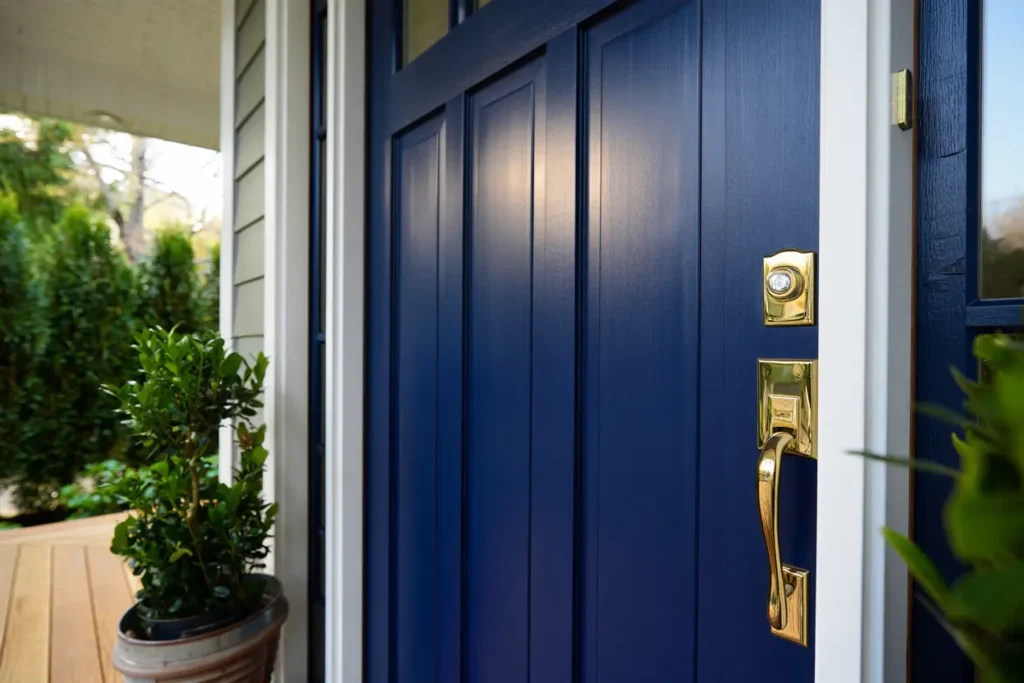
A front door takes more abuse than most parts of the house. It gets touched constantly. It faces rain, sun, dirt, fingerprints, keys, delivery boxes, wreath hooks, pets, and those little shoulder bumps that happen when someone walks in carrying groceries. So peeling or faded paint should not be dismissed too quickly. Often, it means the finish is no longer protecting the door the way it should.
At Brotherton Painting, we treat a front door as a small surface with a big job. A fresh front door color can make the house look more polished almost immediately. But exterior door paint has a harder job than just looking good. It needs to work with the door material, old paint, primer, sheen, and weather exposure.
When prep is rushed, the finish may not hold. The door can look freshly painted for a short time, then start peeling, fading, or wearing down earlier than expected. Proper preparation helps the coating bond, resist cracking, and protect the surface instead of simply covering it for a few weeks.
1. Front Door Paint Starts With the Door Material and Existing Paint
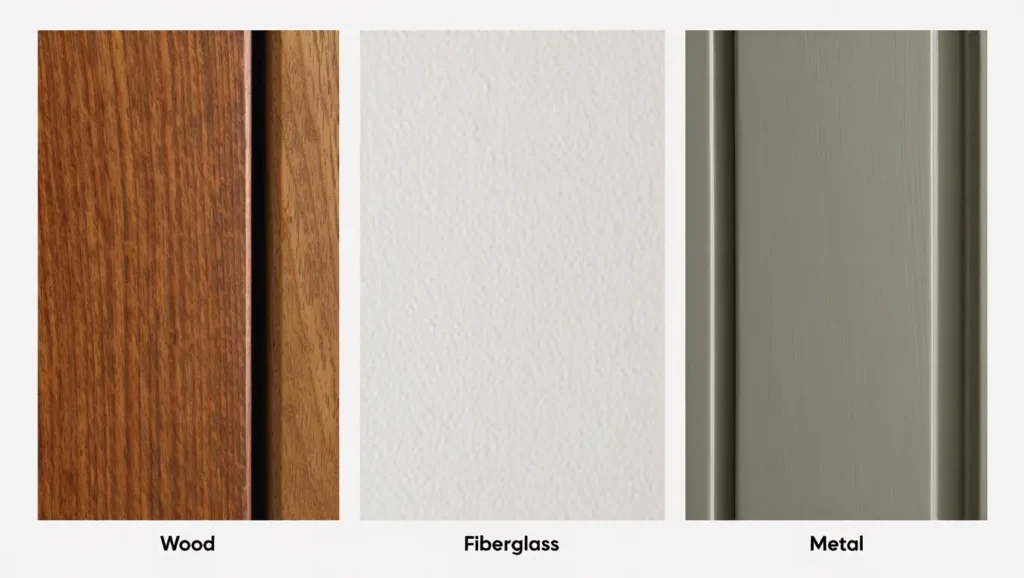
A front door needs more thought than a basic paint surface. Wood, fiberglass, and metal all react differently to paint.
Wood tends to be the most sensitive. It can absorb moisture, expand, shrink, crack, and start peeling when the surface has not been prepared correctly. Older wood may need sanding, small repairs, and primer before painting begins. The same logic applies to wood siding and older wood siding around the entry, where moisture movement can make paint fail faster if the surface is not repaired first. Bare wood especially needs primer because it creates a strong bond and helps prevent peeling and chipping of the topcoat down the road.1
Fiberglass doors come with their own unique challenges. Some are slick, so the coating needs excellent adhesion and a product that is resistant to early wear. Metal doors may need attention around rust, dents, old coatings, and areas where moisture has started to cause trouble.
Here is a more useful way to think about the door before choosing exterior paint:
Door material | Common surface issue | Prep before painting | Finish that, usually makes sense |
Wood | Moisture absorption, peeling, cracks, old wood grain | Sand loose paint, repair damaged spots, use primer on bare wood | Semi-gloss or high-quality exterior paint with strong moisture resistance |
Fiberglass | Slick surface, weak adhesion if painted too quickly | Clean well, lightly scuff if needed, choose a product made for adhesion | Semi-gloss exterior paint or acrylic latex paint suited for doors |
Metal | Rust spots, dents, old glossy coatings | Remove rust, clean dirt, prime exposed metal areas | Durable exterior paint that resists dirt, moisture, and fading |
Previously painted door | Existing paint may be peeling, glossy, or uneven | Scrape loose areas, sand edges smooth, spot-prime problem areas | Best exterior paint applied in multiple coats when needed |
That is the practical part of getting the finish right. The surface should guide the paint choice more than the label on the can.
One more detail is important, especially with older homes. If a building was built before 1978, lead-safe certification is required for contractors disturbing painted surfaces.2 That can affect how prep work is handled, especially when scraping, sanding, or removing old coatings.
2. Exterior Paint Colors Should Work With the Whole House
Exterior paint colors change in real light. Sunlight can make them brighter. Shade can cool them down. A deep shade may look rich on a sample, then feel too heavy when it is surrounded by siding, trim, porch flooring, and hardware.
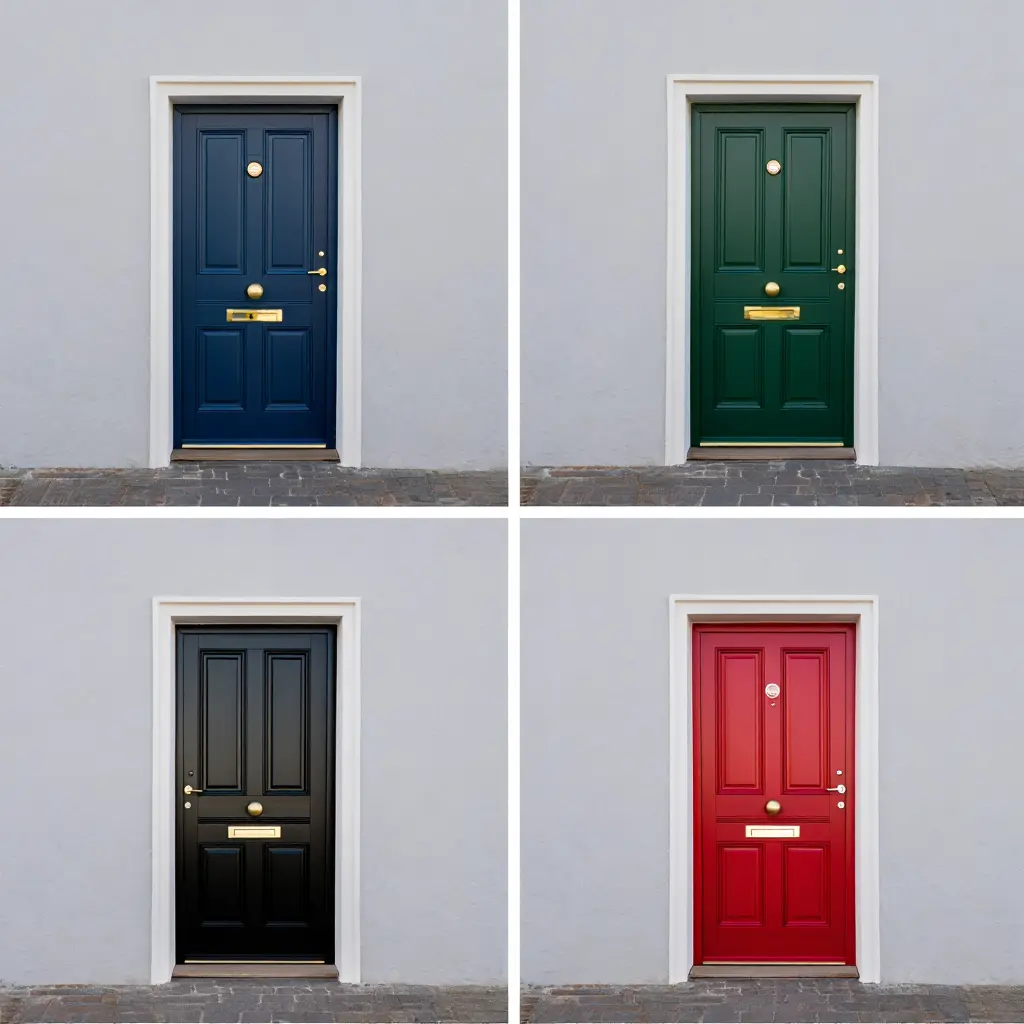
The front door can be the place for a stronger color. It still has to belong to the rest of the exterior. A deep green, navy, black, red, warm brown, or soft neutral can all work. The real question is whether the paint color fits the siding, roof, trim, steps, and landscape.
Many homeowners choose a color they like by itself. Then it looks wrong once it is on the door. That does not always mean the color is bad. It may just be wrong for that exterior.
Before making the final call, look at the house from the sidewalk. Then stand close to the entry. A front door has to work from both distances. The same practical thinking used for choosing paint colors for interior spaces applies here too: the color should look right in real light, next to existing finishes, and from the angles people actually see every day. It should improve curb appeal without fighting the rest of the exterior.
A fresh coat of paint can sharpen the whole house fast, but only when the color makes sense with everything around it.
3. The Best Exterior Paint Has to Handle Weather and Touch
Choosing exterior door paint by color alone is a mistake. The finish has to handle dirt, fading, moisture, sun exposure, and the daily contact from hands, keys, and entry traffic.
A strong coating helps keep moisture from getting into the door surface. That can protect against mold, rust, and structural rot. High-quality paint also helps the surface resist UV rays, rain, wind, and temperature changes. This matters more on a front door than on many other painted surfaces because the door is touched and used every day.
Acrylic latex paint is often the more practical water-based option. It is flexible, dries quickly, and resists fading and mildew, which is why it remains a popular choice for many exterior door projects. For many doors, the right paint should also offer excellent coverage, strong adhesion, and enough flexibility to resist cracking as the surface expands and contracts. Oil-based paints still have uses, but they are more condition-sensitive and need careful application. They can create a smoother finish, but that does not mean they fit every door.
The vast majority of exterior paints are not created equal. Some are made for basic coverage. Others are built for stronger color retention, better weather resistance, and a longer-lasting finish. Modern exterior paints have improved significantly in recent years, with some products designed to last for more than a decade without cracking or fading. That difference shows up quickly when the front door faces direct sunlight, steady moisture, or heavy daily use.
4. Benjamin Moore Aura, Sherwin-Williams, and Mid Tier Paint
Homeowners hear a lot of paint names: Benjamin Moore, Benjamin Moore Aura, Sherwin-Williams, Sherwin-Williams Emerald, Behr Marquee, PPG Permanizer, and other brands. Some are premium. Some are mid-tier. Some work well in one situation and not as well in another. A specific brand can help, but it will not deliver exceptional results if the door is dirty, damp, or poorly sanded before painting.
Benjamin Moore Aura is often discussed as a higher-end exterior paint option.3 Sherwin-Williams Emerald is another product many contractors consider for demanding exterior work. Based on the data provided for this draft, PPG Permanizer showed the least color shift and fading in its category, which is why it is often mentioned among strong exterior paint options.
Still, the paint brand cannot do all the work by itself. Even the best exterior paint will struggle if the surface underneath is dirty, damp, loose, or poorly sanded. Mid-tier paint may be enough for less exposed areas, but a front door has a harder job. It is seen first, touched often, and exposed to the weather every day. When painters cut corners during prep, issues arise faster because the coating has less grip and less protection against moisture.
When problems appear later, the second repaint can cost more than choosing better materials and preparing the surface properly the first time.
5. Semi-Gloss, High-Gloss, and the Best Exterior Finish
Sheen is one of those front door details that gets overlooked until the finish starts showing wear.
Semi-gloss is common for a reason. It gives the door a clean, finished appearance and makes the surface easier to wipe down. Compared with flatter finishes, it does a better job resisting dirt and usually holds up well around handles, panels, and trim. For many homes, it is the most practical balance.
High gloss can look beautiful on a smooth door with strong architectural detail. But high gloss is unforgiving. It shows dents, sanding marks, brush lines, old wood flaws, and almost every surface problem. If the prep is weak, high gloss can make the door look worse instead of better. A flawless finish depends less on shine and more on whether the surface was cleaned, sanded, primed, and coated correctly.
The shine of the paint is only part of the result. What happens before painting matters more than many homeowners expect. Washing, scraping, sanding, spot priming, and adding extra coats where needed can give the finish a better chance to last. Poor prep is often where early peeling begins.
The finish should fit real life, not just the inspiration photo.
What Commercial Exterior Painting Can Teach Homeowners
Commercial exterior painting is usually focused on long-term durability, weather resistance, and reducing disruption. Contractors often use high-performance coatings for commercial exteriors because these products are designed to be UV-resistant, weather-resistant, or suitable for heavier exposure. That same mindset helps with residential doors, too.
For property managers and building owners, exterior updates for multi-family buildings often include doors, trim, siding, shared entries, and other surfaces that get heavy wear. These projects may need different materials than a single residential door because the surfaces are used more often.
Commercial painting also shows why details matter. The contract should be specific, not just a handshake and a total price. Labor often makes up a major part of a commercial painting project because it covers crucial prep work, application, and final cleanup. Material costs, painted surfaces, and the completion date should all be listed, too. A reputable contractor will usually provide a written warranty covering labor and materials against peeling or fading. Licensing and bonding matter because they confirm proper credentials and offer financial protection.
That may sound like a lot for one front door, but the lesson is simple: good painting services are organized before the brush ever touches the surface.
Why Prep Is the Difference Between Fresh and Flawless
A front door painting project can look easy from the outside. Clean the door, open the can, paint it, done. In practice, that is where bad results start.
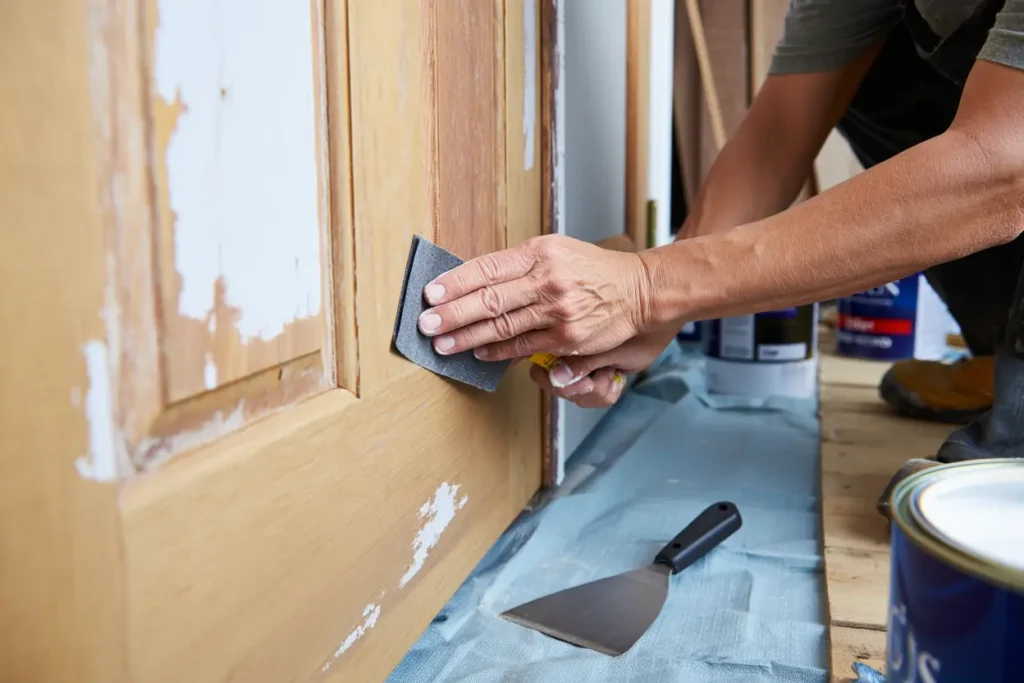
Dirt around the handle needs to be removed. Peeling paint needs to be scraped. Glossy areas may need sanding. Bare spots may need oil-based primer or another suitable primer. Stains and moisture issues should be handled before the new coat goes on. Surface preparation is critical for exterior longevity because it often includes washing, scraping, sanding, spot-priming, and correcting problem areas before paint is applied. This step is extremely important because even strong paint can fail early when it is applied over dirt, trapped moisture, or loose old coating.
Regular painting also works as preventative maintenance. It can reveal minor problems before they become expensive structural repairs. Soft wood, loose trim, failing siding, rust, mildew, and moisture damage are easier to deal with early.
That is why exterior painting for homes is not only about appearance. A fresh coat protects the house, improves curb appeal, and helps keep small exterior problems from getting ignored. Regular maintenance, including inspections and cleaning, can also extend the life of an exterior paint job by reducing moisture buildup and mildew growth.
Choosing the Best Paint Without Overthinking It
A good front door paint choice starts with the door itself. What is it made of? How much weather does it get? Is the surface sound? How often is it touched? Asking those questions early can save money in the long run because the finish is chosen for the real conditions, not just for the color sample.
If the door gets direct sun, color retention and UV resistance should matter. If it sits under a damp porch, moisture resistance should move higher on the list. If kids, pets, tenants, or customers use it constantly, durability matters. If the door is old wood, primer and prep can matter more than the paint brand.
The best exterior finish comes from treating those decisions as one system. Paint, primer, sheen, color, coat count, and surface prep all support each other. Skip one, and the result can suffer.
For Seattle-area homes, where exterior surfaces deal with moisture and changing weather, a front door should not be treated as a quick one-coat project. It deserves the right process.
What is the best paint for an exterior door?
The best paint is a high-quality exterior paint that suits the door material, the weather exposure, and the amount of daily contact. It should hold color well and resist moisture, dirt, and wear.
Is semi-gloss good for a front door?
Yes. Semi-gloss is often a smart choice because it is easier to clean, durable, and polished without being as flaw-revealing as high gloss.
Should I use high gloss on a front door?
High gloss can look great on a very smooth door. On a rough or poorly prepared surface, it can show every flaw.
Do I need primer before painting a front door?
Often, yes. Primer is especially important on bare wood, old wood, stained areas, repairs, and surfaces where adhesion is uncertain.
Can oil-based paints be used on exterior doors?
Oil-based paints can be used, but they are not automatically the best choice. They need proper conditions and careful handling. Acrylic latex paint is often preferred for flexibility, faster drying, and resistance to fading and mildew.
How many coats does a front door need?
Two coats are common for better coverage and a more durable finish. Some doors need more, especially when the color change is strong or the existing surface is uneven.
Why does exterior door paint peel?
Peeling usually means the paint did not bond well. Moisture, poor preparation, skipped primer, dirt, loose old paint, or the wrong product can all be the reason.